

About our university



Hospital
Jichi Medical University Hospital

Jichi Medical University Hospital was established in 1974 and plays a pioneering role in ensuring the provision of community medicine, and it is equipped with advanced medical facilities and equipment as a place to put the educational principles of the University into practice.
Currently, the Hospital has 1,132 beds and 47 clinical departments, and the combination of excellent doctors, medical technologists, and state-of-the art medical facilities creates a full-fledged setting for clinical education. The Hospital is also striving to further improve medical care by offering first-rate medical care to help patients feel more comfortable and confident.
We aim to establish a hospital that provides medical care that meets the demands of the 21st century, such as enhancing the features of a university hospital and considering patient amenities in order to respond to sophisticated and diversifying medical needs.
Principle
1. Patient-oriented medical care
2. Safe and quality medical care
3. Community-based medical care
4. Development of medical personnel who contribute to community medicine
Policy
1. We respect the rights of all patients and provide reliable medical care.
2. We work across the entire organization to provide medical care that meets the needs of all patients.
3. We promote medical care in collaboration with the community and build face-to-face relationships.
4. We develop medical personnel who contribute to sustainable medical care in the community.
5. We make effective use of medical resources and strive to manage the Hospital soundly and sustainably.
Jichi Children’s Medical Center Tochigi
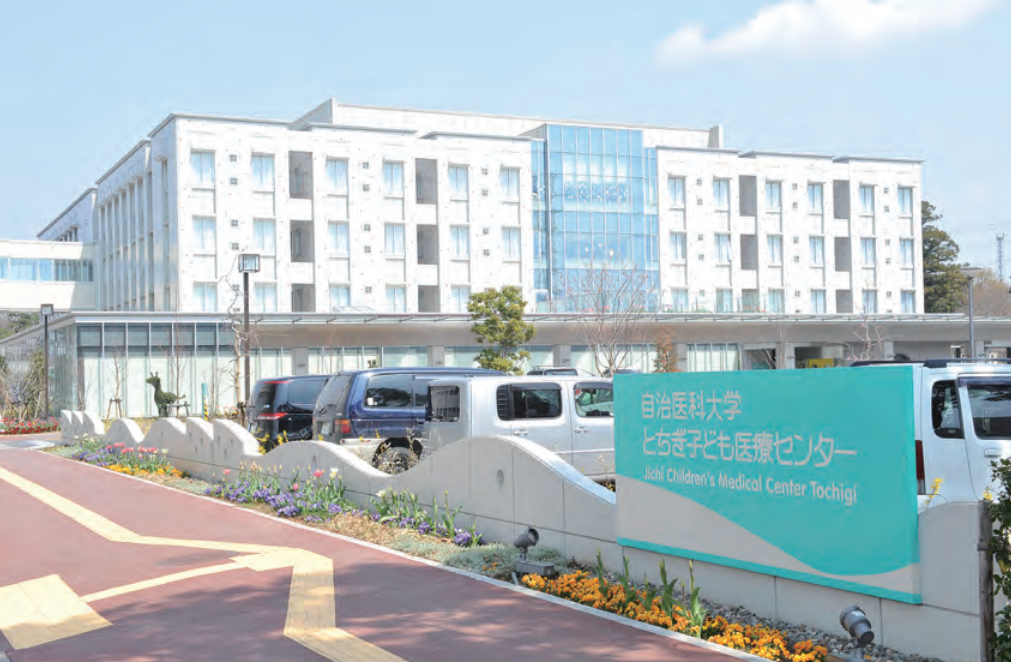
Jichi Children’s Medical Center Tochigi (JCMCT) was founded in September 2006 with financial support from the local government of Tochigi.
At present, JCMCT has 11 clinical departments, including the only PICU in the prefecture, and it provides advanced pediatric care in cooperation with the specialized medical care team at the University Hospital. We at JCMCT will continue to make every effort to treat refractory diseases and provide advanced medical care and critical care while fulfilling our important responsibility to develop specialists in different areas of pediatric medicine.
Principle
1. We provide reassuring and quality specialized medical care.
2. We support the hope of children and their families.
3. We contribute to the advancement of pediatric medicine by developing personnel in pediatric medicine.
Jichi Medical University Saitama Medical Center
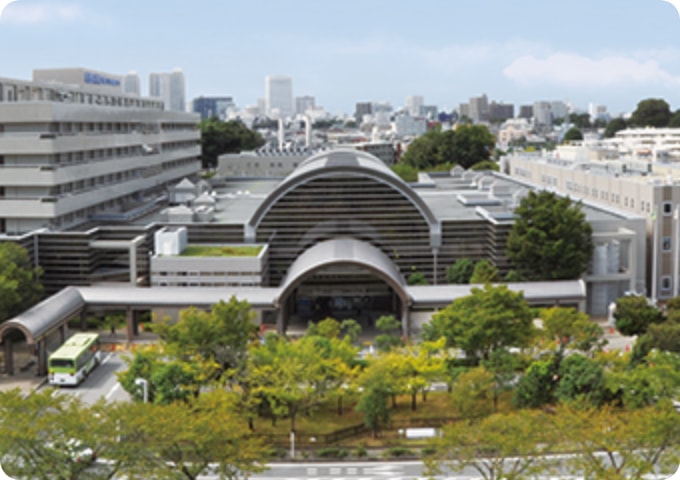
Jichi Medical University Saitama Medical Center was opened in the City of Omiya (presently Saitama City), Saitama Prefecture in December 1989 in order to contribute to community medicine and provide lifelong professional education to physicians providing community medicine in remote areas. The Center aims to train general practitioners who wish to provide holistic and comprehensive medical care and to provide advanced medical care, which is the mission of a university hospital. To properly fulfill these purposes, the Center attracts excellent physicians and other medical personnel and it is equipped with state-of-the-art facilities, equipment, and medical devices.
The Clinical Laboratories for Cardiovascular Diseases is attached to the Center. This is one of the few medical laboratories of its kind in Japan, and it conducts research on cardiovascular diseases and broad related areas in clinical and social medicine in close connection with medical care.
The Center continues to expand its facilities and equipment in response to new medical needs arising from an increasing number of outpatients and changes in the state of medical care.
Principle
1. Patient-oriented medical care
2. Safe and quality medical care
3. Community-based medical care
4. Education of compassionate medical personnel
Policy
1. We will respect patients and provide competent and reliable medical care.
2. We will promote team medical care and provide patients with safe and quality medical care.
3. We will be a central hospital that collaborates with medical facilities in local communities.
4. We will train and educate medical personnel to contribute to community medicine.